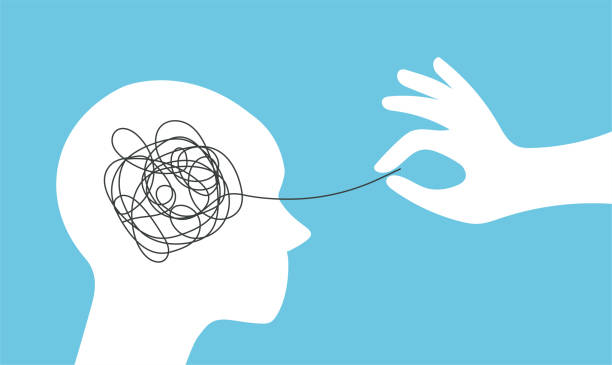
“Somebody else deserves/needs it more than me”
There is often a perception that counselling or therapy should be reserved for times when people are feeling desperate, in crisis or chaotic. I think what we see and hear around us in society has a lot to do with this, especially when waiting lists for talking therapies are so long and accessing help is an uphill battle. However, therapy and counselling can be a bit like making an appointment at your garage, we don’t wait for the breakdown before we get the strange noises and lights on the dashboard checked! Like the car, we can still often function in the day-to-day, however, behind the scenes we may be troubled by intrusive thoughts or debates in our head, we may have lost joy in the things we previously loved, we may not feel like ourselves or we may have trouble relating to others. I often say, if you are asking the question, ‘Could counselling be for me?’ you’re likely to be aware of the answer. If you’re still feeling unsure, a good counsellor will talk to you about this and work with you to remove any barriers or blocks.
“I don’t want to blame my childhood/parents/partner…”
I think Freud has a lot to answer for this one! It is true that often, during counselling sessions, experiences from childhood regularly come up. This is because who we are as adults is shaped by our childhood experiences and the things we learned from the caregivers around us but this can feel uncomfortable. I often hear my clients say, “I had a great childhood” or “My parents/partner are good people” when they bring up childhood experiences, perhaps worried that a counsellor is going to squarely pin the blame on someone. Counselling isn’t about blame or shame – both of those things close down exploration and a feeling of safety which is the exact opposite of how good counselling should look. In the space with a non-judgemental counsellor, you should be able to explore your ideas and feelings about those experiences and form your own conclusions on how they shaped you and whether they still serve you.
“Will I be able to talk about what I want?”
The answer to this is absolutely. Sessions are person-centred which means that you are at the heart of the therapy. You are able to talk about whatever feels relevant to you in the sessions and counsellors will be very clear about confidentiality during your first session.
“Nothing will change, I can’t be ‘fixed’”
My heart goes out to you if you feel this way. If you’re deep in depression or anxiety, or the coping strategies you’ve used in life are no longer working leaving you feeling isolated and desperate, this can be a real and pervasive thought. What has been lost is hope and hope is one of humanity’s most precious resources. I can’t say for sure what happens during counselling and therapy that helps. There has been a lot of research done on various therapies and much of it measures a positive outcome but there is no measurement scale for hope, joy and purpose and these can be some of the powerful outcomes of counselling – a reignition of hope through the power of being seen, heard and held in a safe and authentic relationship. Of course, there are no promises but tonnes of hope.
“Isn’t it the same as having a good chat with my friends?”
In short, no! Have you ever been trying to open up to someone, maybe a best friend that has known you for years, for them to say “That exact same thing happened to me/my brother/my neighbour’s dog only it was way worse…”? When we interact with our friends and families we already bring into that relationship a whole heap of previous experiences, conflicts, judgements and expectations and this does have an impact on what we talk about and what we expect. Don’t get me wrong, there are amazing friends who hear you and help you but a relationship with a counsellor is a boundaried one and is centred on you, your experiences and feelings and your needs. In that relationship, a counsellor strives to create a space where you can say everything you feel you need to say – your greatest fears, annoyances, worries or big questions about life – without judgement, advice or dismissal.
“I’m scared of talking about things I feel I’ve already processed/dealt with.”
We understand. Sometimes, we’ve dealt with things or processed them and feel like dragging it all up again, like digging to the bottom of a muddy puddle, is messy and unnecessary. Firstly, it’s completely up to you what you talk about so if you don’t want to go there, you don’t have to. However, the counselling relationship is based on trust and safety and a good counsellor should be able to help you talk about difficult things and deal with messy emotions in a safe and therapeutic way. Also, if talking about certain things makes you feel anxious, scared or panicky then that could be a sign that something in the processing has got stuck or stayed with you and therapy could help with that.
 LucyJayne Counselling
Leave a comment